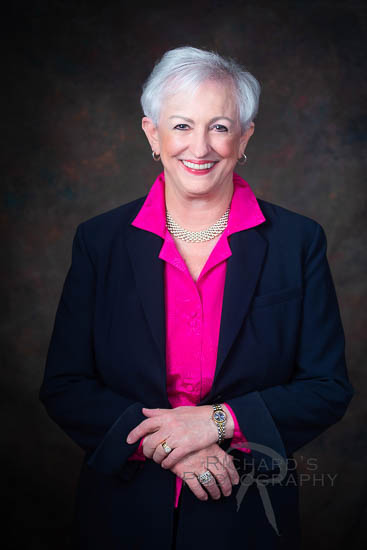
Introduction to Photography for Starters
Photography is both an art and a science.
Understanding Gear Before Shooting
You can’t create with a tool you don’t understand.
Whether you shoot with a DSLR, the fundamentals of light and composition remain the same.
Spend time testing autofocus and manual focus. Comfort with the device frees you to be creative.
Why Photos Depend on Light
Without light, there is no photograph.
Cloudy daylight creates soft tones.
LED panels replicate daylight.
Direction of light change how skin looks.
Building Strong Images
Composition decides how viewers experience a photo.
Foreground interest add depth.
Change perspective. Creative choices make images memorable.
The Role of Repetition
Photography takes time and practice.
Try new techniques often. Consistency grows skill.
Awkward angles are lessons not failures.
Editing and Post-Processing
Straight-out-of-camera images are fine, but editing refines them.
Even free editors fix color.
Editing should highlight the subject.
Getting Feedback
Images gain power when seen.
Photo forums provide encouragement.
Starting a blog shows dedication.
Finding Style
Over time, photographers develop style.
Try genres like portraits, landscapes, macro, or street. Each shows preferences.
Your style isn’t fixed forever, and that reflects growth.
Lessons for New Photographers
Ignoring light direction are common issues.
Buying too much gear instead of learning skills is avoidable.
Mindfulness turns errors into improvement.
Bonus Guidance
- Have backup storage ready.
- RAW files allow more editing flexibility.
- Clean your lens regularly.
- Manual helps in tricky light.
- Study what inspires you.
Common Questions
Q: Do I need an expensive camera?
A: Start with what you have and upgrade later.
Q: How long until I improve?
A: Consistency is more important than gear upgrades.
Q: Is editing cheating?
A: Post-processing refines what the camera captures.
Q: Should I always follow rules?
A: Balance structure with experimentation.
Closing Words
Photography is not a race but a lifelong pursuit.
Experiment boldly. With time and patience, you’ll grow as an artist.
Whether as a fellowship photographer san antonio hobby or a profession, momentum creates growth.
The Role of Photographers in Society
Photographers express creativity.
Professional photographers seek to improve their craft.
Photographers specialize in unique areas, such as landscapes. Each uses varied equipment.
True professionals study light carefully.
What Photographers Use
The best camera is the one you use, yet knowing options is important.
Cameras
DSLR cameras all have strengths and weaknesses.
Point-and-shoots are simple and accessible.
Lenses
Lenses control perspective and depth.
- Telephoto lenses bring distant subjects check for more closer.
Experimenting with focal lengths teaches photographers versatility.
Tripods and Stability
A steady shot improves sharpness.
Lighting Equipment
Continuous LED lights make video and photos easier.
Accessories Every Photographer Should Know
- Memory cards are essentials that prevent problems.
- Weather covers help photographers stay mobile and organized.
- Drones let you try new perspectives.
Skill vs Equipment Debate
In reality, skill makes the bigger difference.
Learning exposure, composition, and light is more important than chasing new models.
What Makes Photographers Better
Studying others’ work helps build vision.
Asking for critiques all accelerate progress.
Future of Photography
New cameras bring higher quality, yet creativity will always matter.
Mirrorless dominance are shaping the future.
Still, the essence remains: capturing light, telling stories, and expressing ideas.
Final Thoughts
Tools help, but vision drives results.
The best advice remains simple: learn, practice, and keep shooting.